

Royal Mail Stamp Prices Are Rising (Again)

How Much Royal Mail Stamp Prices Are Increasing And What It Means For UK Households
Royal Mail has confirmed another increase in postage costs, with stamp prices set to rise again from 7th April 2026.
From that date, a First Class stamp will cost £1.80, up from the current £1.70, while Second Class stamps will increase slightly to 91p.
For households that rarely send letters, the change may not feel dramatic at first glance, especially when the increase is measured in pennies. However, when you step back and look at how prices have moved over the past few years, the rise becomes far more noticeable.
The cost of sending a First Class letter has more than doubled since 2020, leading to growing criticism from consumer groups, particularly as Royal Mail has struggled to meet delivery targets during the same period.
What Are The Current Royal Mail Stamp Prices And What Will They Be?
Royal Mail stamp prices will change on 7th April. Here is how the current prices compare with the new rates.
Stamp Type | Current Price | Price From 7th April |
First Class Stamp | £1.70 | £1.80 |
Second Class Stamp | 87p | 91p |
Book of 8 First Class Stamps | £13.60 | £14.40 |
The most noticeable increase is the price of a First Class stamp, which rises by 10p.
How Much Stamp Prices Have Increased Since 2020
The latest increase becomes much more striking when compared with prices from a few years ago.
In 2020, a First Class stamp cost 76p. From April, it will cost £1.80, representing a 137% increase in just six years.
Second-class stamps have also risen steadily during the same period, increasing from 65p in 2020 to 91p in 2026.
Postage Type | 2020 Price | April Price | Increase |
First Class Stamp | 76p | £1.80 | +137% |
Second Class Stamp | 65p | 91p | +26p |
Book of 8 First Class Stamps | £6.08 | £14.40 | +£8.32 |
First Class stamps have now increased eight times since 2020, while Second Class stamps have risen six times.
Why The Increase Is Being Criticised
The price rise has been criticised by consumer organisations because it comes at a time when Royal Mail continues to miss delivery targets.
The last time the company met its annual performance targets was in the financial year 2019–2020.
Since then, delays have become more common, and some households report letters arriving days later than expected.
Citizens Advice has argued that stamp prices should not simply be increased without clear improvements in service reliability, particularly when the postal system is still relied upon for important documents such as medical appointments, legal paperwork and official correspondence.
Delivery Targets Are Changing Too
At the same time that prices are rising, the rules governing the postal service have also been adjusted.
In July 2025, Ofcom approved changes to the Universal Service Obligation, which sets the minimum level of service Royal Mail must provide.
One of the biggest changes means Second Class letters are no longer required to be delivered six days a week. Instead, they are now delivered on alternate weekdays.
Performance targets have also been lowered. From April, Royal Mail will be required to deliver:
90% of First Class mail is delivered within one working day
95% of Second Class mail is delivered within three working days
Previously, the targets were 93% and 98.5%.
Additional “tail of mail” targets have also been introduced. These are designed to ensure that letters which miss the main delivery targets are still delivered within a reasonable timeframe.
Is £1.80 Still Good Value For A First Class Letter?
Despite the criticism around the increases, there is an argument that the service still represents reasonable value depending on how you look at it.
Even at £1.80, it remains possible to post a letter in one corner of the UK and potentially have it delivered hundreds of miles away the next working day. When you consider the logistics involved, including collection, sorting centres, transportation networks and final delivery routes, that is still a remarkably complex national system operating for less than the price of a cup of coffee.
Whether it feels expensive often comes down to how important the letter is to you. If it is something urgent or valuable, the ability to move it across the country overnight may still feel like a fair price. If it is a routine card or document, the rising cost can feel more frustrating.
For many people, the bigger concern is not necessarily the price itself but whether the service reliability matches what they are paying.
Why You May Still Feel The Impact Even If You Don’t Buy Stamps
Many people may not notice stamp price rises directly because they rarely send letters themselves.
However, the increase can still affect a large number of households in another way.
A large number of UK retailers and small businesses rely on Royal Mail to ship their orders, particularly for smaller parcels and large-letter deliveries. When Royal Mail increases its prices, those additional costs rarely stay with the business. In most cases, they are passed on through slightly higher delivery charges or built into product prices.
That means even if you never buy a stamp, you may still notice the impact when ordering items online.
For example, many small online shops send products using Royal Mail services such as Tracked 24, Tracked 48, or large letter postage. When the cost of sending those parcels rises, the price of shipping rates for customers often rises too.
So while stamp price increases may appear to affect only people posting letters, the knock-on effects spread much further through the online shopping economy.
You No Longer Need To Visit A Post Office To Send Parcels
Another change many people are unaware of is how easy it has become to send parcels without visiting a Post Office.
Royal Mail’s Click and Drop service allows customers to buy postage online and print labels at home. Once the label is attached, the parcel can either be dropped off at a Post Office or placed in one of the Royal Mail parcel post boxes now installed across many parts of the UK.
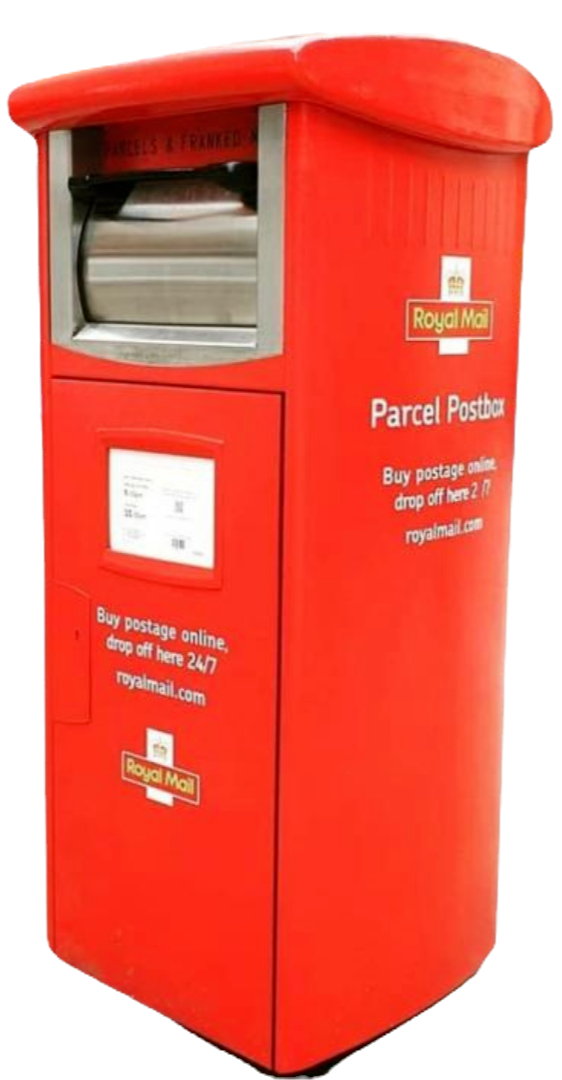
These parcel boxes accept prepaid items and allow people to send parcels outside normal Post Office opening hours. Some now even have built-in scanners that let you scan your parcel to prove the item has been dropped off.
Royal Mail can also collect parcels directly from your home or workplace. For a small fee, currently around 30p, a postie will collect the parcel and can even bring the postage label with them if you do not have access to a printer.
For occasional sellers, returns or small business owners, this can be far more convenient than queueing at a counter.
Should You Stock Up On Stamps Before Prices Rise?
If you regularly send letters, buying stamps before the increase takes effect can help avoid paying the higher price later.
Royal Mail stamps that display the postage class rather than a printed price remain valid even after prices change. A First Class stamp bought today will still cover the cost of sending a First Class letter after the new prices come into effect.
Buying stamps before the increase effectively locks in the current rate, especially if you buy books of stamps in bulk, use a fair number, or expect to later, for example, sending out invitations to events or similar.
For people who send birthday cards, Christmas cards or official letters throughout the year, keeping a small supply of stamps at home can be a simple way to avoid future price rises.
FAQs About Royal Mail Stamp Prices
Why are Royal Mail stamp prices increasing?
Royal Mail says the increases reflect rising operational costs, including transport, staffing and maintaining the nationwide delivery network. Consumer groups argue that improvements in reliability should accompany price increases.
When do the new Royal Mail stamp prices start?
The new prices come into effect on 7th April.
Can I still use old stamps after the price increase?
Yes. Stamps that show the postage class rather than a printed price remain valid after the price rise.
Is it cheaper to buy stamps before the increase?
Buying stamps before the increase means you pay the current price and can still use them later, which effectively avoids the new rate.
Why have stamp prices risen so much in recent years?
Rising operating costs, changes to postal demand and regulatory adjustments have all contributed to multiple price increases over the past few years.
Do Second Class letters still get delivered every day?
No. Under new regulations, Second Class letters are now delivered on alternate weekdays instead of six days a week.