

How to Reduce Transport Costs: Practical Ways to Spend Less Getting Around
Updated: 12 hours ago

This article has been published as part of an advertising collaboration
Getting from A to B can take a surprisingly large chunk out of a household budget once you add together fuel, train and bus fares, insurance, parking, servicing and the occasional taxi.
If you want to reduce transport costs, you don’t necessarily need to give up your car or start walking everywhere. The better place to start is by looking at what each type of journey really costs and finding the areas where a different choice could leave more money in your pocket.
savings can be made immediately, such as comparing petrol prices or booking a train earlier. Others need a bit more thought, particularly if you’re deciding whether to buy, lease or finance a car. The cheapest-looking monthly payment isn’t always the cheapest option once all the other costs are included.
Important: This article provides general information rather than personal financial advice. Finance and leasing eligibility, costs and terms can vary, so check the provider's current information before applying.
Work out what getting around really costs you
Before changing how you travel, spend a month looking at the whole cost rather than one payment in isolation. If you drive, that means more than petrol or diesel. Insurance, vehicle tax, MOTs, servicing, repairs, tyres, parking, breakdown cover and any finance payment all belong in the same calculation.
The same applies if you're considering leasing a car. Personal Contract Hire normally involves an initial rental followed by fixed monthly payments, but you'll usually still pay for insurance, fuel and other running costs. You'll also agree a mileage allowance, and exceeding it can mean extra charges when the vehicle is returned. Ending a lease early can also be expensive, so compare the full contract rather than simply looking for the lowest monthly figure. You can read more about how Personal Contract Hire works.
If your credit history isn't great, your options can be more limited and any application will still involve eligibility and affordability checks. Hippo Leasing has information about car leasing options with bad credit, but acceptance isn't guaranteed and you should compare the total cost and terms with the alternatives available to you before applying.
Hippo Vehicle Solutions Ltd is authorised and regulated by the Financial Conduct Authority for consumer credit activities under FRN 658076. It acts as a credit broker rather than a lender, works with a limited panel of providers and may receive commission for introductions. Finance is subject to status and income.
Plan journeys before you leave
Planning ahead can save money whether you're driving or using public transport. Train tickets can be particularly sensitive to when you buy and travel, so check Advance fares and off-peak options before automatically buying the same ticket you normally use. National Rail has a useful guide to ways to save money on train tickets covering Advance tickets, Railcards, group travel and other offers.
If you drive, check the route before setting off rather than automatically following the same road every time. Avoiding congestion, roadworks, tolls or unnecessary mileage can reduce both the time and fuel used, although driving several extra miles purely to avoid a small charge may end up costing more.
Combining journeys can help too. If you've got three errands that can be done on the same trip, doing them together can save repeated cold starts and extra mileage compared with making three separate journeys.
How to save money on fuel
Fuel prices can differ noticeably between nearby forecourts, so it makes sense to compare them before filling up. The Government's Fuel Finder scheme requires UK petrol stations to report price changes within 30 minutes, with the data appearing in a growing range of comparison apps and websites. My Fuel Finder guide explains how the scheme works and where you can check prices.
Don't assume a supermarket forecourt will automatically be cheapest either. It often can be competitive, but checking the actual price is more useful than relying on the name above the pumps. Driving miles out of your way to save a penny or two per litre can also wipe out some of the saving, particularly if you're only putting a small amount of fuel in.
How you drive makes a difference as well. Smooth acceleration, looking ahead so you can avoid unnecessary braking and maintaining a sensible steady speed can help use less fuel. Keeping your tyres at the manufacturer's recommended pressure and removing unnecessary heavy items or unused roof boxes can also reduce the amount of work the engine has to do.
Make public transport cheaper
If you use trains regularly, don't assume buying a single or return ticket every day is your cheapest option. Compare your normal journeys with season tickets, Flexi Season tickets and any concession or Railcard you qualify for. Many Railcards reduce eligible rail fares by around a third, although the exact rules, minimum fares and times you can use them vary between cards.
Advance tickets can also make a big difference if you know when you're travelling. Current rail money-saving guidance recommends checking several weeks ahead for longer journeys, although cheaper Advance tickets can sometimes remain available much closer to departure.
For a regular commute, check whether your employer offers an interest-free or low-cost season-ticket loan. Some employers will pay for an annual ticket upfront and recover the money from your salary over several months. This doesn't automatically make the ticket cheaper, so compare the annual fare with the tickets you'd otherwise buy, but it can make a useful annual fare easier to spread.
Walk or cycle some of the shorter journeys
Not every journey can realistically be replaced by walking or cycling, but the short ones are worth looking at first. Swapping even a couple of local car trips each week can cut fuel and parking costs while reducing the mileage you're adding to the vehicle.
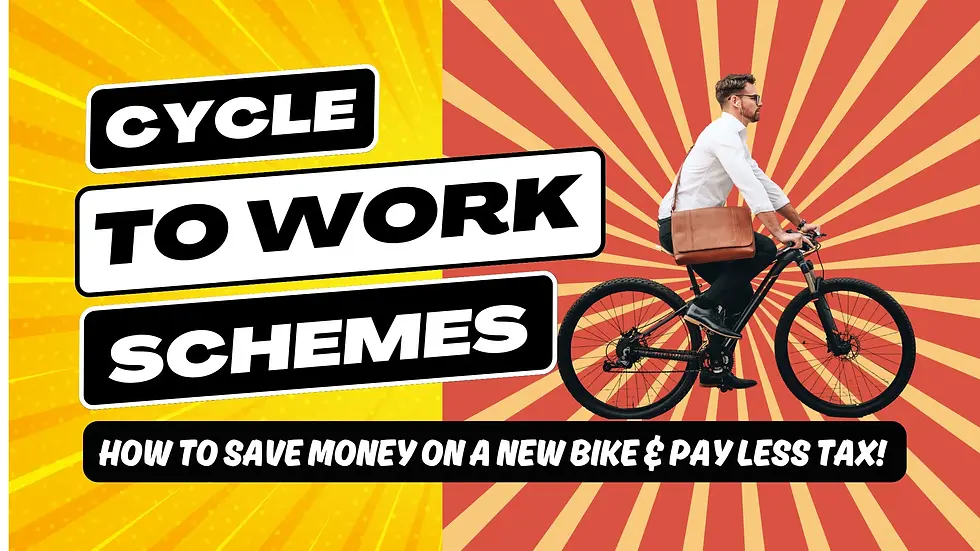
If you'd like to cycle to work and need a bike, check whether your employer offers a Cycle to Work scheme. Qualifying schemes can let employees hire a bike and eligible equipment through salary sacrifice, reducing the tax and National Insurance paid on the salary given up. The scheme has specific rules and your employer needs to participate.
You don't necessarily need a brand-new bike either. A decent second-hand bike may be enough for local errands or a short commute, particularly if you're testing whether cycling is something you'll actually keep doing.
If you're considering spending more on an electric bike, I've also looked at whether an electric bike can be cheaper than public transport.
Share journeys where it genuinely works
Car sharing can reduce the cost of regular commuting if two people are already travelling in the same direction. Splitting fuel and parking costs once or twice a week can still make a difference over a year without tying either person into sharing every journey.
It works best when the arrangement doesn't create a large detour. Driving well out of your way to collect someone can eat into the saving and add more mileage to your car, so work out the route rather than assuming sharing must be cheaper.
If you're using a lift-sharing platform with someone you don't know, use an established service, check the available profile and review information and tell someone else about the journey. Saving a few pounds isn't worth ignoring basic personal safety.
Reduce car running costs as well as fuel
Fuel is only one part of the cost of driving. When your car insurance renewal arrives, compare the new quote with other policies instead of letting it renew without checking. Comparison sites won't necessarily show every insurer, so it can be worth checking more than one and looking directly at providers that aren't listed.
Increasing your voluntary excess can sometimes lower the premium, but remember that you need to be able to afford the combined compulsory and voluntary excess if you make a claim. Adding a genuine lower-risk named driver can sometimes affect the price too, but the person who actually drives the car most must be declared correctly. Putting someone else down as the main driver purely to obtain a cheaper price is known as fronting and can invalidate the insurance.
Servicing and maintenance also deserve their own space in your transport budget. Putting a small amount aside each month for servicing, tyres, MOT work and repairs can make those costs easier to deal with when they arrive, even though it doesn't reduce the bill itself.
Before paying online for a train booking, breakdown cover or another transport service, it's also worth checking whether your usual cashback provider lists the company.
TopCashback and Quidco are two routes worth checking, but availability and exclusions change. Find the cheapest suitable option first and treat any cashback as an extra rather than a reason to choose a more expensive provider.
Track what you spend for a month
Transport costs are easy to underestimate because they come from several places. A finance payment might leave your account once a month, while petrol, parking, train tickets, taxis and repairs appear at completely different times.
Go through a month of bank and card transactions and put all of those costs into one transport total. You may find that an occasional taxi habit costs more than expected, that you're paying for parking several times a week when another option exists, or that a season ticket would cost less than the individual rail journeys you're buying.
Once you can see the number, look at the biggest part first. Saving £20 a month on a regular expense matters much more than spending hours trying to save 20p on an occasional journey.
The cheapest way of travelling won't necessarily be the same for every trip. Driving might make sense for one journey, the train for another and walking for something nearby.
Compare the cost before changing anything major, and if you're considering a long-term commitment such as leasing a car, make sure the full contract and running costs fit comfortably into your budget before applying.
Frequently asked questions
How can I reduce transport costs?
Start by adding up what you currently spend on fuel, fares, parking, insurance, maintenance and any vehicle payments. Once you know which costs are largest, compare alternatives such as cheaper fuel, Advance tickets, Railcards, season tickets, cycling or sharing suitable journeys.
How can I save money on fuel?
Compare nearby fuel prices before filling up, drive smoothly, keep your tyres at the correct pressure and remove unnecessary weight or roof equipment. Don't drive a long way purely to reach a cheaper forecourt unless the saving is greater than the extra fuel and mileage.
Is public transport cheaper than driving?
It depends on the journey, how many people are travelling and the costs of the car you already have. Compare the fare with fuel, parking and any other journey-specific driving costs, while remembering that owning a car also brings insurance, maintenance, tax and other fixed costs.
Can you lease a car with bad credit?
It may be possible to lease a car with a poor credit history, but options can be more limited and acceptance isn't guaranteed. Providers will consider your credit history and affordability, so compare the total cost and terms carefully before making a full application.
Can a Railcard reduce train costs?
Yes, eligible Railcards can reduce the cost of qualifying train journeys, with many offering around a third off eligible fares. Each Railcard has its own eligibility, time and fare restrictions, so check that the card suits the journeys you actually make before buying one.
Does the Cycle to Work scheme save money?
A qualifying Cycle to Work arrangement can reduce the effective cost of a bike and eligible equipment because salary is given up before some tax and National Insurance is calculated. Your employer must offer a scheme, and the exact saving depends on your circumstances and the arrangement being used.