How To Reduce The Cost Of Your Car Insurance: Tips For Savvy Drivers

Ways to save money on your car insurance and insurance tips
Car insurance is a necessary expense for every driver, but it doesn’t have to break the bank. Recent reports from the CPI, highlighted by Vertu Motors, show a 11% drop in car insurance prices over the past year, the first significant decrease since 2020, and now is the perfect time to reassess your policy and find a better deal. However, with the overall cost of car ownership still on the rise, it’s more important than ever to be proactive about saving money on your insurance.
Whether you’re a new driver or a seasoned motorist, here are some practical tips to help you reduce your car insurance costs without compromising on coverage.
Don’t Settle for Auto-Renewal – Shop Around
It’s easy to let your car insurance auto-renew, especially when life gets busy; we've all done it, haven't we; the thought of having to trawl through comparison sites or having to call to get quotes is, frankly, often something I couldn't have been bothered with in the past, so I stuck with what I had, and that's what the insurance companies hope you'll do!
I learned the hard way when, a few years ago, I just accepted the price and found a month later that I could have saved £300 a year with a rival insurer. This shows that sticking with your current provider without exploring other options could mean you're missing out on significant savings.
Comparison websites are a great starting point, allowing you to compare quotes from multiple insurers in minutes. Remember, loyalty doesn’t always pay – switching providers could save you hundreds of pounds.
Services such as Rooster are worth looking into, as they offer an app you can install on your phone that records your driving habits. Then, based on your driving results, they'll provide you with insurance quotes based on how safe a driver you are, so if you drive really well, it can save you money on your car insurance!
Choose the Right Level of Cover
Understanding the different types of car insurance is key to finding the right policy for your needs. While third-party insurance might seem like the cheapest option, it often offers the least protection. On the other hand, though slightly more expensive, comprehensive insurance provides broader coverage, including damage to your vehicle, vandalism, and accidental damage. In many cases, opting for comprehensive coverage can save you money in the long run by reducing out-of-pocket expenses in case of a claim.
Standard comprehensive policies work well for everyday vehicles, but they often fall short for high-value models. If you own a luxury vehicle or a high-performance sports car, a basic policy may not cover its actual market value.
These unique vehicles require specialised coverage that accounts for their high repair costs and depreciation rates. Investing in Exotic Car Insurance helps protect your investment through features like agreed-value coverage. This ensures you receive the full agreed amount if the vehicle is totalled, rather than a depreciated market value.
Be Honest About Your Driving Habits
When applying for car insurance, accuracy is crucial. Misrepresenting details such as your estimated annual mileage or listing someone else as the main driver (a practice known as “fronting”) can lead to policy invalidation, fines, or even prosecution. Instead, be upfront about your driving habits and consider adding an experienced driver to your policy as a named driver; this can sometimes lower your premium without compromising your honesty. Included in this is making sure that you do actually have the right policy for your needs. I was offered a great deal last year, which I nearly went with, but I realised at the last minute that the policy didn't cover commuting to my place of work, so if I'd had an accident while driving to work, my insurance wouldn't have been valid. So it’s important to tell the insurer EXACTLY when and where you'll be using your car, even if that costs more; the costs of not having the right insurance could be massively more!
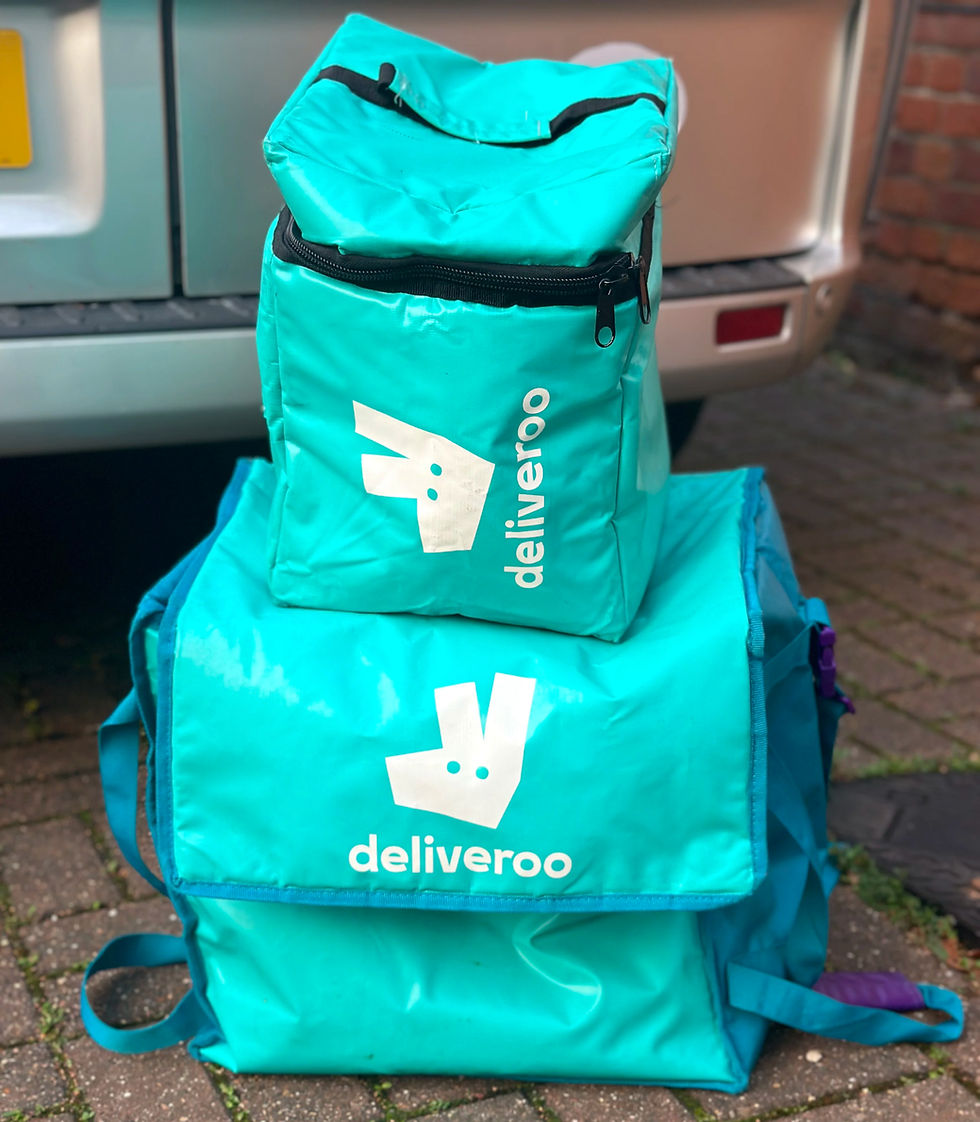
Also, if you want to earn extra money from your car, ensure you have the right type of insurance for your needs. If you want to work as a food delivery driver for services such as Deliveroo, Just Eat, or Uber Eats, or perhaps want to deliver parcels for Amazon via the Amazon Flex programme, you'll need to have 'hire and reward' insurance, which will cover you whilst delivering/working.
I've written about driving as a side hustle in more detail on the blog here.
Normal car insurance won't cover this, so you'll need to get the right coverage. Hire-and-reward insurance is much more expensive when you buy a dedicated H&R policy. Still, you can get pay-as-you-go hire-and-reward insurance, which is charged by the hour while you are working (around £1 an hour, depending on your type of vehicle), from companies such as Zego or Inshur. This keeps your insurance lower, but it is top-up insurance. You'll need to have your normal insurance as well.
Top up, hire and reward insurance is no longer available on vans, so you'd need to buy a full hire and reward policy if you want to use a van to deliver; very annoying as I do have a car and will now need to pay £1600 a year to be able to deliver food/parcels, over £1 an hour I was paying on top of my yearly £400 insurance!
You'll need to speak to your normal car insurer to make sure that they allow you to use top-up insurance on top of their policy, as many don't. If you do have an accident, they'll invalidate your insurance. You essentially won't be insured, so this is the type of question to ask a potential insurer before you buy!
I Became a Foster Carer... and My Car Insurance Got Cheaper
When I became a foster carer, one of the first practical things I had to sort out was my car insurance. Because I now use my car to take my foster child to and from school, appointments, and other activities, I needed to let my insurer know about the change and add business use to my policy. Foster carers are generally classed as self-employed, so it made perfect sense that I'd need the extra level of cover.
I'll be honest, I made that phone call expecting to be told my premium was going up. Adding business use to a policy doesn't exactly sound like it'll save you money, so I was already bracing for another bill. Instead, I got a very pleasant surprise.
Once my insurer updated my occupation from employed to self-employed foster carer and added business cover, my annual premium actually fell by around £50. It was completely unexpected, but certainly not something I was going to argue with. It's one of those rare occasions when doing exactly what you're supposed to do leaves you better off.
That doesn't mean every foster carer will see the same result, of course. Car insurance premiums are based on a huge range of factors, including where you live, the car you drive, your claims history, and how each insurer assesses risk. Even so, it goes to show that you should never assume a change in circumstances will automatically mean paying more, and it's always worth promptly telling your insurer and shopping around to see whether another provider can offer an even better deal.
Consider a Black Box Policy
Telematics policies, often referred to as “black box” insurance, are becoming increasingly popular, especially among younger drivers. These policies use a small device installed in your car to monitor your driving behaviour, such as speed, braking, and cornering.
While some drivers worry about privacy or restrictions, modern black box policies rarely impose curfews and can reward safe driving with lower premiums. If you’re a careful driver, this could be a great way to save money.
Review Your Policy Regularly
Your circumstances can change over time, and so can your car insurance needs. For example, if you’ve moved to an area with lower crime rates, started working from home, or reduced your annual mileage, these factors could lower your premium. Make it a habit to review your policy annually and update your insurer about any changes. This ensures you’re only paying for what you need.
Take Advantage of Cashback Site Offers
One of the easiest ways to save money on car insurance is by using cashback websites. Platforms like TopCashback, Quidco, and others often partner with insurance providers to offer cashback rewards when you purchase a policy through their links.
These cashback deals can range from £20 to £100 or more, depending on the provider and policy, so it's well worth checking whether the insurer you want to use offers cashback.
Several price comparison sites offer cashback options, so always check before you buy!
Here’s how cashback works:
- Sign up for a cashback website (most are free to join).
- Search for car insurance deals on the site.
- Click through to the insurer’s website and purchase your policy as usual.
- The cashback will be tracked and paid into your account after a waiting period.
It’s essentially free money back in your pocket, so it’s worth checking these sites before finalising your purchase. Just make sure to compare the overall cost of the policy, including the cashback, to ensure you’re still getting the best deal.
Bonus Tip: Pay Annually if You Can
While paying for your car insurance monthly might seem more manageable, it often comes with additional interest charges. If you can afford to pay for your policy upfront, you could save a significant amount over the course of the year, I know I pay about £10 extra a month for not paying in one go, and that's an extra £120 out of my pocket, which is a substantial amount of money to lose out on, but like many of us, I don't always have enough in the bank account to pay outright sadly!
Reducing the cost of car insurance doesn’t have to be complicated. By shopping around, choosing the right level of cover, being honest about your driving habits, and taking advantage of cashback offers, you can find a policy that offers both value and peace of mind.
With car insurance prices finally on the decline, there’s never been a better time to take control of your expenses and secure a deal that works for you.
So, before your next renewal date, take a moment to review your options; your wallet will thank you!