


School Closures In Bad Weather: How Likely Is Your Child’s School To Close?
Written by Al Baker | Founder & Editor, The Penny Pincher
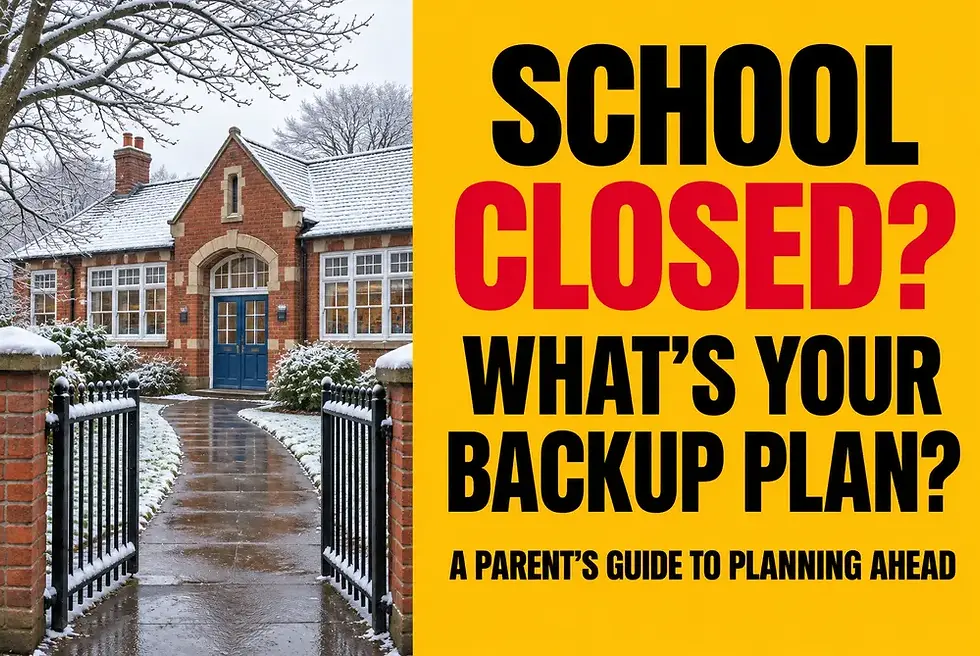
If snow, storms or flooding are forecast, how likely is your child’s school to close? In England, the starting point is that schools should stay open wherever they can do so safely, rather than close automatically because a weather warning has been issued. Whether yours can manage that comes down to what’s happening locally, including getting enough staff in, keeping the site safe and having buildings that are fit to use.
That’s the message in the government’s school bad-weather guidance published on the 9th of November 2026. It explains what schools are expected to consider before closing and how they should limit disruption. The Department for Education guidance applies to England, although parents elsewhere in the UK will find their own closure-checking links below.
As a parent, I can see why this matters well beyond whether the children get a snow day. A closure can mean rearranging work, finding someone who can help and feeding children who would normally have lunch at school, all with very little notice. The children might be delighted at the prospect of staying home, while you’re wondering how you’re going to make the day work.
This is a guide to keep for later, rather than a warning that a closure is imminent. The same planning can help if the school’s boiler breaks down halfway through an otherwise ordinary day. Knowing who could collect your child is useful long before anyone mentions snow.
School Closures: What Could Happen And What Can Parents Do?
School leaders have to decide whether they can operate safely with the people and facilities available, which means neighbouring schools can reach different decisions. A cleared entrance and warm classrooms at one school won’t help another with flooded rooms or staff unable to reach it. There isn’t a national percentage that can tell you whether yours will close; the useful preparation is thinking through the situations your family could face.
The DfE’s emergency planning guidance says schools should plan for disruption, while their legal safeguarding and health and safety responsibilities continue. The November blog explains existing expectations rather than introducing a new law requiring every school to open in every storm. The examples below bring those expectations together with my suggestions for what parents can arrange in advance.
There’s A Weather Warning, But School Stays Open
A weather warning doesn’t automatically close a school, and leaders should consider changes that could keep the day running safely. That might mean moving activities indoors, allowing warmer clothing or using a different entrance. The government’s cold-weather guidance also covers practical preparation, including heating and icy routes, and the needs of children who are more vulnerable to cold.
For parents, the job is to check the school’s own instructions before setting off and make any changes needed for your child. A message from another school, or speculation in the parents’ group, won’t confirm what yours is doing. Are your school notifications switched on, and would a message reach you if arrangements changed during the day?
School Opens With Different Arrangements
Staff travelling from further away might face difficulties even when the road outside your house is clear. The school may be able to reorganise classes or adjust its timetable while maintaining teaching time, rather than close completely. Where attendance must be limited, the November guidance says schools should prioritise vulnerable pupils, children of critical workers and pupils taking exams, depending on what it can safely provide.
Read the message for who should attend and when, then check whether breakfast club and after-school care are operating as usual. Being told that lessons will go ahead doesn’t necessarily settle the childcare arrangements either side of them. Who could cover the gap if your child’s start or collection time changed?
How Do You Find Out If Your Child’s School Is Closed?
Start with the school’s own messages, app or website, and make sure it has your current contact details. The parents’ group may be full of speculation before a decision has been made, which doesn’t help when you need to plan your morning. Look for the school’s actual announcement before rearranging your working day.
There are also council school-closure searches for England and Wales, local authority links for Scotland and a school-closure service for Northern Ireland. Northern Ireland’s list covers full-day closures, so it won’t tell you about every early finish. Your school’s direct communication remains particularly useful when the situation is changing during the day.
School Is Open, But The Bus Isn’t Running
Transport problems affecting some families don’t always mean the whole school needs to close. Other pupils and enough staff may still be able to reach it safely. Check messages from the school, council or transport operator to establish what has changed, including whether the return journey is affected.
If you can make a safe alternative arrangement, consider how collection will work as well as getting your child there. If you can’t, the government’s advice for parents during bad weather says to contact the school promptly and explain why the journey is unsafe. Follow its absence-reporting process rather than assuming the transport operator has told the school about your child.
The attendance guidance for England recognises circumstances including normally provided school transport being unavailable and widespread emergency travel disruption. That doesn’t make every weather-related absence automatically authorised; the school needs to know your circumstances to record it correctly. Can you arrange both journeys safely, and who will you contact if you can’t?
The Boiler Fails And You’re Asked To Collect Early
You could get your child to school without a problem, arrive at work and then receive a message asking you to collect them. A heating or power failure might be manageable by using unaffected parts of the building, but if the school can’t operate safely it may need to close. The exact response will depend on the problem and the school’s emergency procedures.
This is where agreeing a backup collector in advance can make a real difference. Speak to someone you trust, check that they’re willing and realistically able to help, then follow the school’s process for authorising them to collect your child. Knowing a friend would happily help isn’t quite the same as the school having accepted that arrangement.
If you and your backup person can’t get there safely, contact the school immediately to explain and agree what happens next. Its safeguarding responsibilities continue, so stay in contact about a safe collection arrangement. Who could collect your child during your working day, and does the school already have the information it needs?
The School Day Moves To Schooling From Home
Schools should arrange remote education when attendance isn’t possible, but parents shouldn’t assume that means a full day of live video lessons. The DfE’s remote education guidance allows different approaches, including recorded teaching, reading and other work. It also says provision should take account of the length of the disruption and families’ circumstances.
If the school already uses an online learning platform, try the login now so you’re not hunting for a password on the morning you need it. Tell the school if you lack a device, internet access or other support, as it should consider access barriers and alternatives such as printed resources where needed. Ask what it can offer before spending money on equipment you hadn’t budgeted for.
For children with special educational needs or disabilities, discuss what would work for them rather than struggling with an unsuitable task. There’s also a practical difference between an older child getting on with some reading and a younger child needing an adult beside them. Could your child access the work, and who could support them while you’re working?
School Closes, But You Still Need To Work
This is where a day off school can become a household-budget problem. Acas includes an unexpected school closure as an example of an emergency involving a dependant, for which employees can take a reasonable amount of time off. It isn’t a promise of unlimited leave throughout a prolonged closure.
The government’s guidance on time off for dependants also makes clear that employers don’t have to pay for this leave, although your contract or workplace policy might offer more. Tell your employer promptly what’s happened and how much time you think you need. If disruption continues, discuss what arrangements can cover the following days rather than assuming they’re already agreed.
Depending on your job, it may be possible to agree different hours or work from home. Those options won’t suit everyone, particularly if you need to be physically at work or have young children to care for. For self-employed parents, rearranging work can mean lost income, so think about which jobs could move and which would need another solution.
What Happens To Free School Meals?
An unexpected lunch at home might not sound like much, but it matters when you’ve budgeted around children eating at school. For pupils receiving remote education who qualify for benefits-related free school meals, DfE guidance says schools should work with their caterers on lunch parcels or food vouchers, where available. Ask the school what it’s arranging and how you can access it.
Don’t assume a voucher will automatically arrive as soon as a closure is announced. This guidance refers to benefits-related eligibility, so receiving a free infant-school lunch alone doesn’t establish the same home support. Raising it early is better than finding yourself short of food while waiting for something that hasn’t been confirmed.
Your Usual Backup Person Can’t Help Either
A grandparent may be willing to help, but the same weather affecting the school could stop them travelling too. A friend might be at work, have their own children to collect or live on the other side of a flooded road. If you can, think about a second option rather than relying on one person being free whenever you need them.
A small WhatsApp group with trusted parents, friends or relatives could help you work out who is available locally. Agree the arrangements with those people and the school, and share essential care information privately with whoever will actually be looking after your child. Keep a few key numbers on paper as well, because a flat phone battery is an unhelpful addition to an already complicated afternoon.
Not everyone has nearby family or a ready-made support network, and that isn’t a failure to prepare. If there’s nobody you can call on, tell the school and your employer so they understand what you’re dealing with and can discuss the available options. If your first person can’t help, what would you do next?
How Can You Prepare Without Spending A Fortune?
A possible school closure is also a practical reason to think about the government’s wider advice to prepare for three days of disruption, including having food and drinking water available. It’s general emergency preparedness, rather than a prediction that schools are about to close or that a particular emergency is coming. Bad weather is one reason it can help, while the education emergency guidance also covers power failures and cyber incidents.
I’ve already been adding a few extras to our cupboards, as I explained in my post about putting together emergency supplies on a budget. As a parent and foster carer, I want to have thought about how we’d manage if our normal routine suddenly disappeared for a few days. That doesn’t mean I’ve got unlimited money or a spare room to fill with supplies, because I haven’t.
Start by looking at what’s already in your cupboards, then add something when your budget allows. Think about drinking water, familiar food that needs no cooking, essential medicines and household items such as nappies, alongside a torch and a charged power bank. You might already have enough for a couple of extra lunches, and the wider three-day preparedness advice isn’t a prediction that schools will close for three days.
Your School-Closure Planning Checklist
Most of this preparation is about having a few conversations and knowing where things are. You can work through it gradually rather than turn it into another expensive job on the family to-do list. Start with whichever gap would cause you the biggest problem if the school called today.
Switch on school alerts and check that your contact details and emergency contacts are current.
Agree who could help with collection or childcare, with a second option if one is available.
Confirm authorised collectors through the school’s own process, including any details it needs from them.
Set up a small, trusted parents or friends group if it would help you coordinate support.
Discuss your work options and try any school learning-platform logins before you need them.
Check the essentials you already have and write down key phone numbers somewhere easy to find.
Having a plan won’t stop a boiler breaking down or a road flooding, but it can leave you with fewer decisions to make at once. As a parent and foster carer, that’s what I want from preparing, rather than trying to predict every possible problem. Have you got someone who could help at short notice, or would you be starting from scratch when the school calls?
Questions Parents Ask About School C
Does A Weather Warning Automatically Close Schools?
No. School leaders assess local conditions, so a warning alone doesn’t confirm a closure. Check your own school’s message before changing your plans.
Why Is My Child’s School Closed When Others Are Open?
Schools can have different staffing, travel and building problems during the same weather. A nearby school staying open doesn’t mean yours has safe access, enough staff or usable classrooms. Look for the reasons given in your school’s own announcement.
Will My Child Be Marked Absent If The School Closes?
An unexpected whole-school closure is recorded differently from a pupil choosing not to attend an open school. If the school remains open but your child can’t get there, explain the circumstances promptly so it can record the situation correctly.
Can I Take Time Off Work If My Child’s School Closes?
Employees can take a reasonable amount of time off to deal with an unexpected emergency involving a dependant, including a sudden school closure. It isn’t automatically paid, and you should tell your employer as soon as you can.
What If I Can’t Collect My Child When School Closes Early?
Contact the school promptly and explain the difficulty so you can agree a safe arrangement. If someone else can help, follow the school’s authorisation process rather than assuming it can release your child to them. Schools retain safeguarding responsibilities during disruption.
Do I Need To Buy Three Days Of Extra Food Immediately?
The government’s preparedness advice encourages households to build supplies gradually and start with what they already have. There’s no need to turn a school-closure backup plan into a large shopping bill, especially if money or storage space is tight.


