


How to Maximise Savings by Combining Online and In-Person Deals
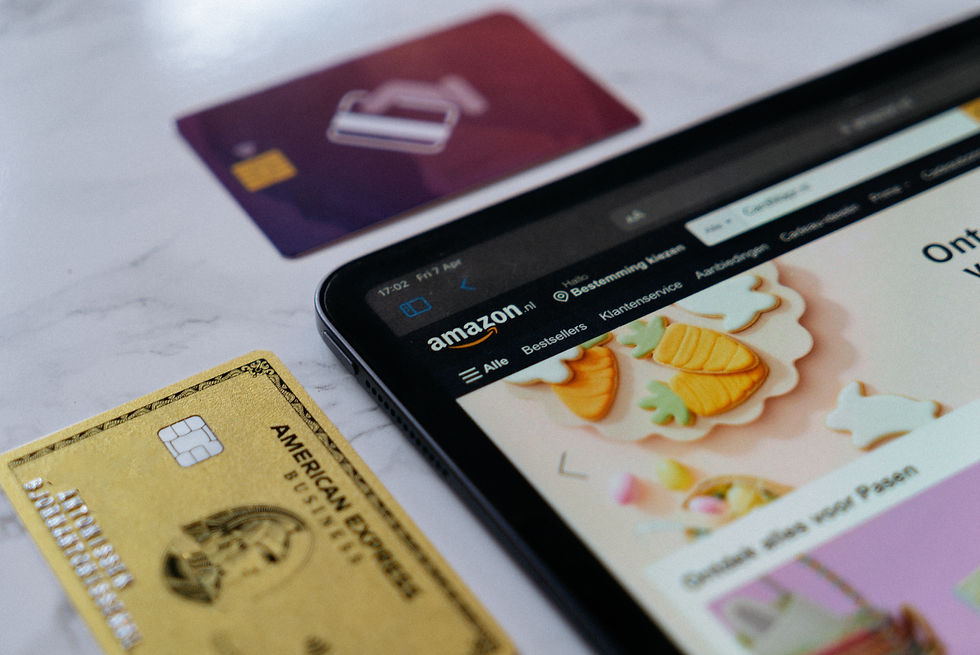
How Loyalty Programmes Can Increase Your Savings
Most people treat online shopping and in-store purchases as separate strategies. They clip coupons for the supermarket or hunt for promo codes before checking out online, rarely doing both at once. The real savings come from combining the two. When you layer digital discounts on top of in-store promotions, you stop leaving money on the table.
The same product can carry a very different final price depending on how many deal sources you stack before paying. This applies to groceries, electronics, travel, entertainment, and more. Understanding how to coordinate both channels, and time them right, turns everyday spending into a consistent saving habit rather than a lucky break.
Sign Up for Rewards Programs Across Every Platform You Use
Rewards programs are no longer limited to supermarket loyalty cards or airline miles. Practically every major retailer, online and physical, now runs a program that converts your spending into points, cashback, or exclusive access. Amazon, Target, Sephora, and dozens of grocery chains all offer tiered memberships that get more valuable the more consistently you use them.
What many people overlook is that this model has expanded well beyond traditional retail. Subscription services, software platforms, and digital entertainment providers all run loyalty or rewards structures of their own. Streaming platforms offer referral bonuses. Food delivery apps provide cashback after a set number of orders. The logic is the same across all of them: your continued usage earns you something back.
The same shift has happened across online services in the gaming sector. Casino platforms, for example, have developed some of the most detailed rewards structures in the digital space. Casino online sites offer welcome packs, deposit bonuses, free play credits, and ongoing cashback programs that reward regular account activity. These aren't one-time incentives; they're layered systems designed to give consistent value back to active users over time.
Stack Coupons and Promo Codes Across Both Channels
Retailers almost never restrict you to one discount at a time. A store-issued coupon can often be combined with a manufacturer's coupon, and both can apply on top of a clearance price. Add a cashback app like Ibotta or Rakuten to the mix, and that same purchase carries three or four separate discounts simultaneously. The trick is knowing which combinations are allowed before you get to checkout.
Online, browser extensions like Honey or Capital One Shopping scan for active promo codes automatically. They run in the background and apply the best available code at checkout without you searching manually. Pair these tools with email-subscribed discount codes from the retailer's own newsletter, and you're working two discount layers at once.
In physical stores, timing matters as much as coupon stacking. Weekly ad sales tend to cycle on specific days, usually midweek for grocery chains. Arriving early in a sale period means better stock selection. Arrive near the end of a clearance cycle, and you get deeper markdowns.
Time Your Purchases Around Predictable Sale Cycles
Retail runs on predictable cycles. Electronics drop sharply after new model releases. Clothing goes on deep clearance at the end of each season. Furniture retailers run major sales around holiday weekends. Travel prices follow booking windows tied to departure dates. None of this is random; it's structural, and knowing the cycle lets you plan ahead instead of reacting.
Online retailers tend to concentrate their biggest promotions around Black Friday, Cyber Monday, and mid-year events like Amazon Prime Day. Physical stores often run competing promotions during those same windows. Buying during a genuine sale cycle rather than an artificial "limited time" push means you're working with the market rather than against manufactured urgency.
Set price alerts on items you plan to buy. Most comparison tools and retailer apps offer this feature. When the price hits your target, you buy, regardless of the calendar. This removes impulse from the equation and replaces it with a clear trigger.
Combine Cashback Credit Cards with In-Store and Online Spending
A good cashback credit card adds a passive discount layer to every transaction you make. Using a cashback card through a cashback portal like Rakuten doubles the return. The portal pays out a percentage for clicks that convert to purchases, and the card pays out independently on the same transaction. Neither system knows about the other; both pay regardless.
The discipline required is simple: pay the balance in full each month. Carrying a balance with interest cancels any cashback benefit immediately. Used correctly, the card becomes a consistent percentage rebate on spending you were going to do anyway, with no additional effort required after the initial setup.
Combining all these layers, including coupons, rewards programs, price matching, sale timing, and cashback cards, turns saving money from something occasional into something systematic. Each method on its own produces modest results. Applied together, consistently, they produce a meaningful reduction in what you spend across every category of your life.


